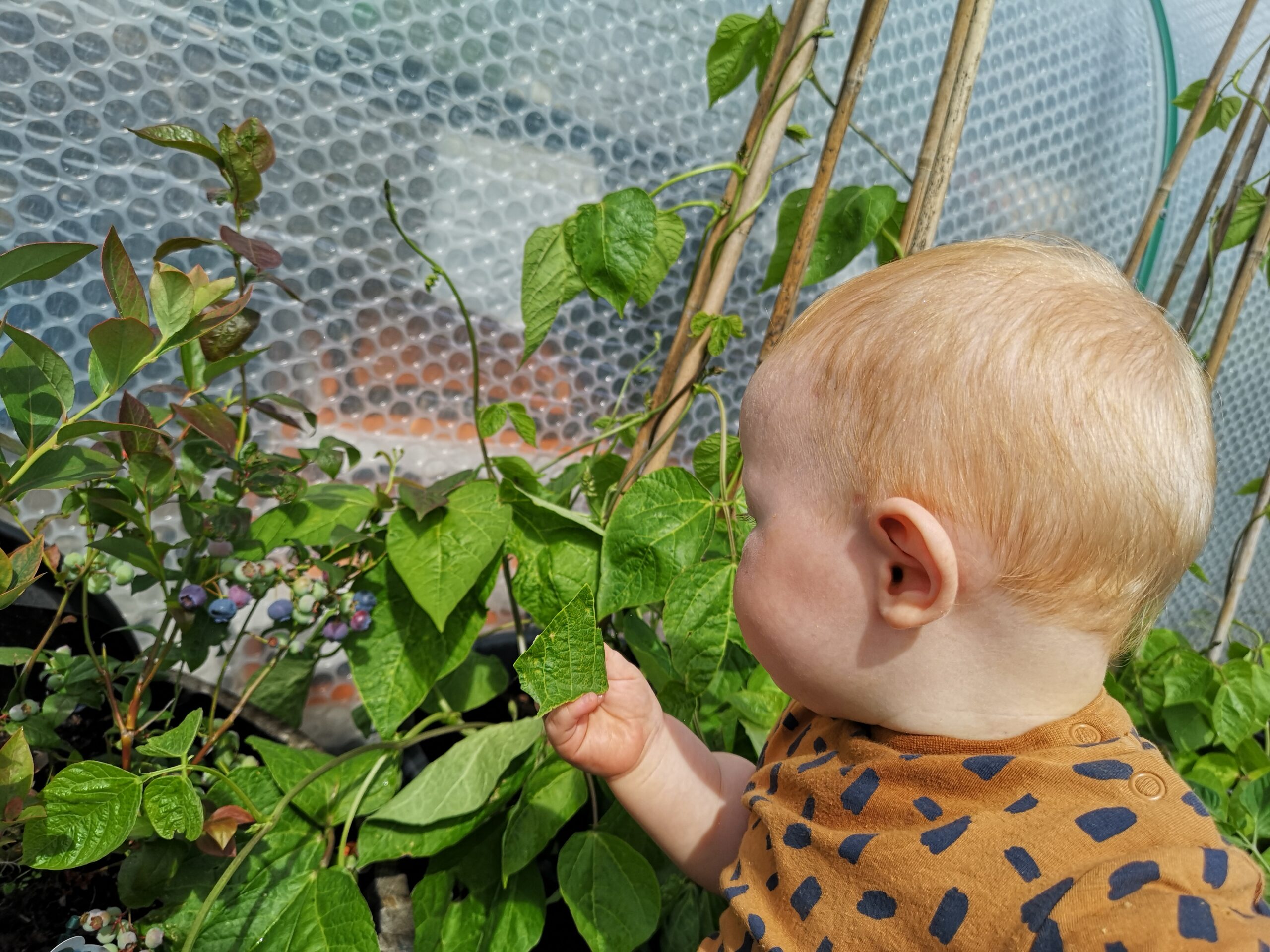
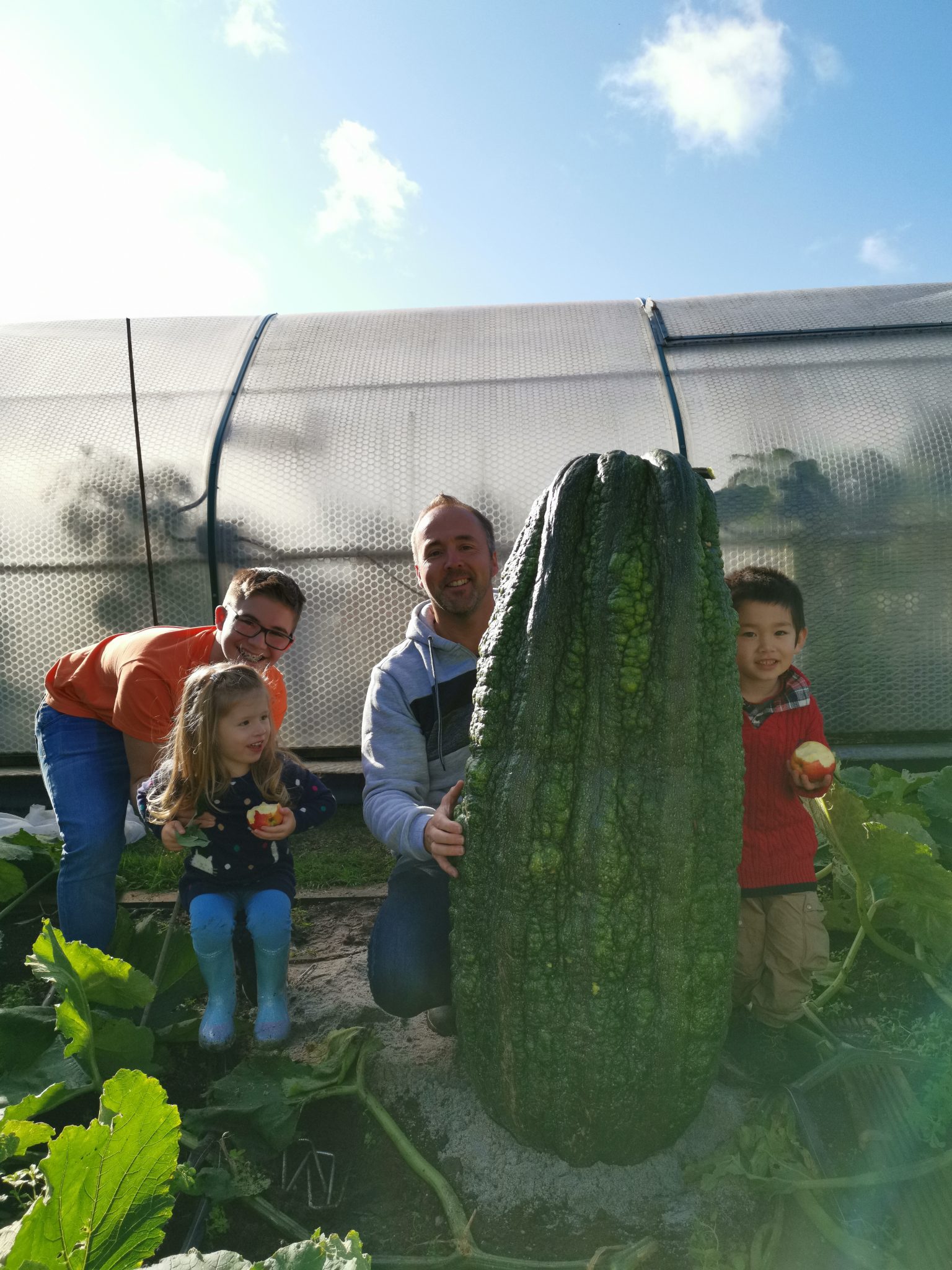
Embrace the mess, because every muddy hand is a step closer to growing something amazing
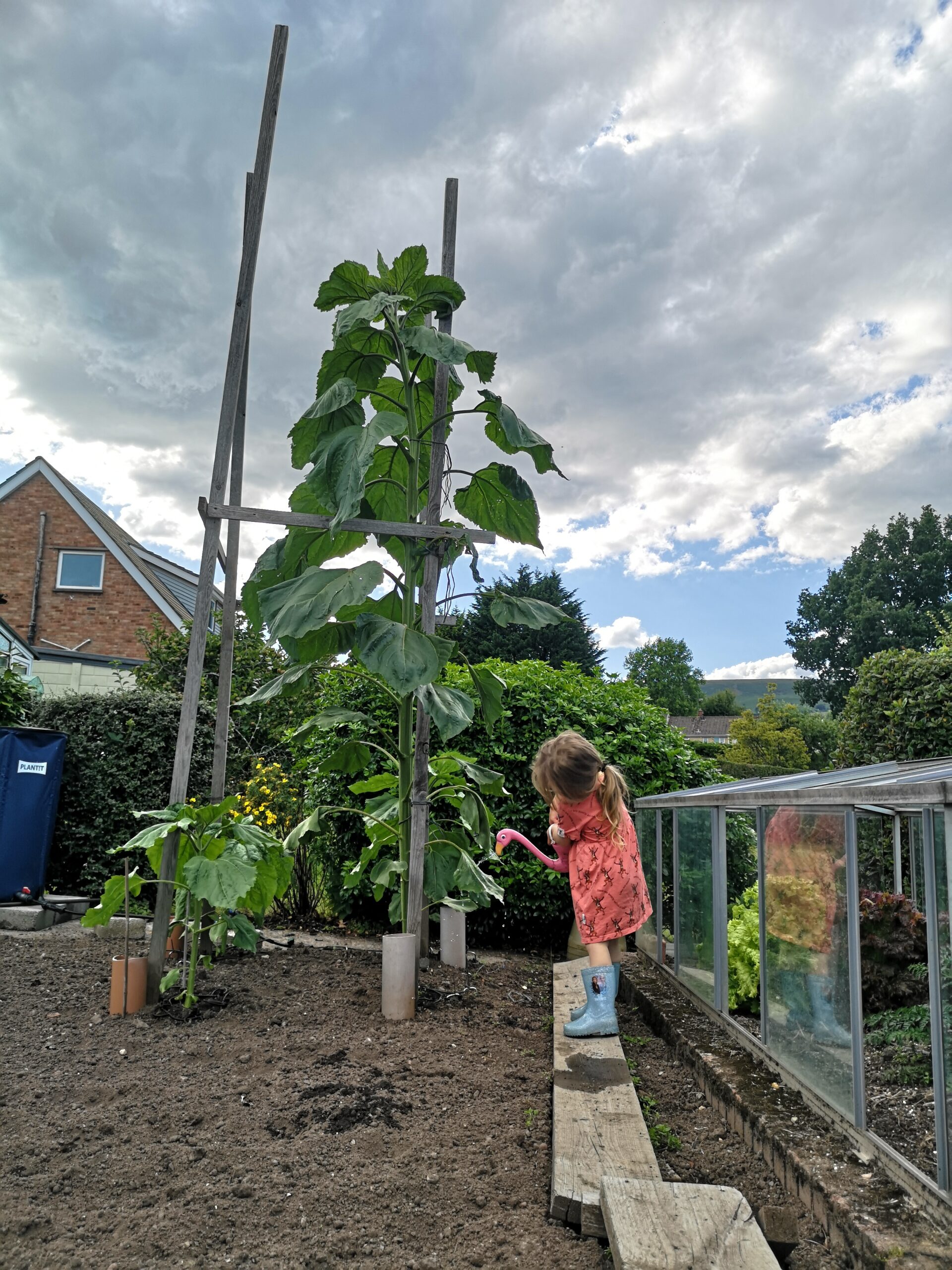
Quick-growing plants give kids that instant reward: Lettuce, radishes, and cress (sprout in days) Sunflowers (grow tall and dramatic) Peas (easy to handle and tasty)
Turn your garden into a sensory playground where children can touch, taste, listen, and smell their way through nature
Supervise your children, but allow them to make mistakes and learn in their own unique way
Why is Gardening Good for Children?
Gardening with children provides valuable opportunities to support their overall development in a fun and engaging way.
It is an excellent form of physical exercise while also being mentally stimulating. As children dig, plant, water, and move around the garden, they develop coordination, balance, and control skills. Handling tools, soil, compost, and water helps build both strength and confidence.
Gardening also creates meaningful family bonding time. Working together outdoors encourages communication, teamwork, and shared achievement.
Beyond the physical and social benefits, gardening supports learning across multiple areas. It helps develop skills in science through understanding how plants grow, maths through measuring and counting, and cooking by using fresh ingredients they’ve grown themselves. Most importantly, it builds essential life skills such as patience, responsibility, and problem-solving.
Gardening is truly an intergenerational activity, bringing together knowledge, experience, and curiosity across all ages.
The Most Important Tip Make Sure You Have Fun
Gardening is a fun thing to do with kids and helps to create many different learning experiences.
There’s lots of tools that are needed in the garden. The main tools for kids will be a fork, spade and a trowel.
Read More
Prepare To Get Messy
Gardening can be carried out in all weathers. Get their wellies on and let them make mud pies, get their hands dirty and experience helping out.
Read More
Choose Some Fast Growing Seeds Like Lettuce Or Radish
Kids love to plant and watch seeds grow. Fast growing seeds provide an opportunity for kids to engage and eat their harvests.
Read More
Stimulate Your Kids Senses In The Garden: Touch, Taste, Sound & Smell
There’s so many opportunities for learning in the garden. Encourage your kids to pick and taste their home grown produce and stimulate their senses.
Read More
Supervise Your Kids But Allow Them To Make Mistakes And Learn In Their Own Unique Way
Kids love to explore and find different challenges in the garden. Set them some tasks and always ensure that they are supervised when tools are being used.
Read More
Where to Start?
Gardening is an opportunity to chat with your kids about research and planning.
Give them their own space. Kids love to dig and get messy
Search the internet with your kids and Let them decide what they want to plant. This will provide them with an opportunity to learn how food is grown, maintained and prepared in the kitchen
When you have found your preferred area, let your Kids explore. Give them the opportunity to learn how to grow and allow them to sow the seeds, water them in and maintain the plants right the way through to harvest.
Setting a Challenge
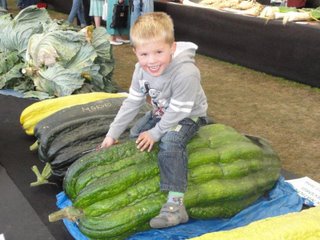
Set about finding a challenge such as, the largest Radish in a pot or the tallest sunflower. There’s some great guides on the website to help get you started and you can even buy seeds from the very best genetics.
Harvest Time
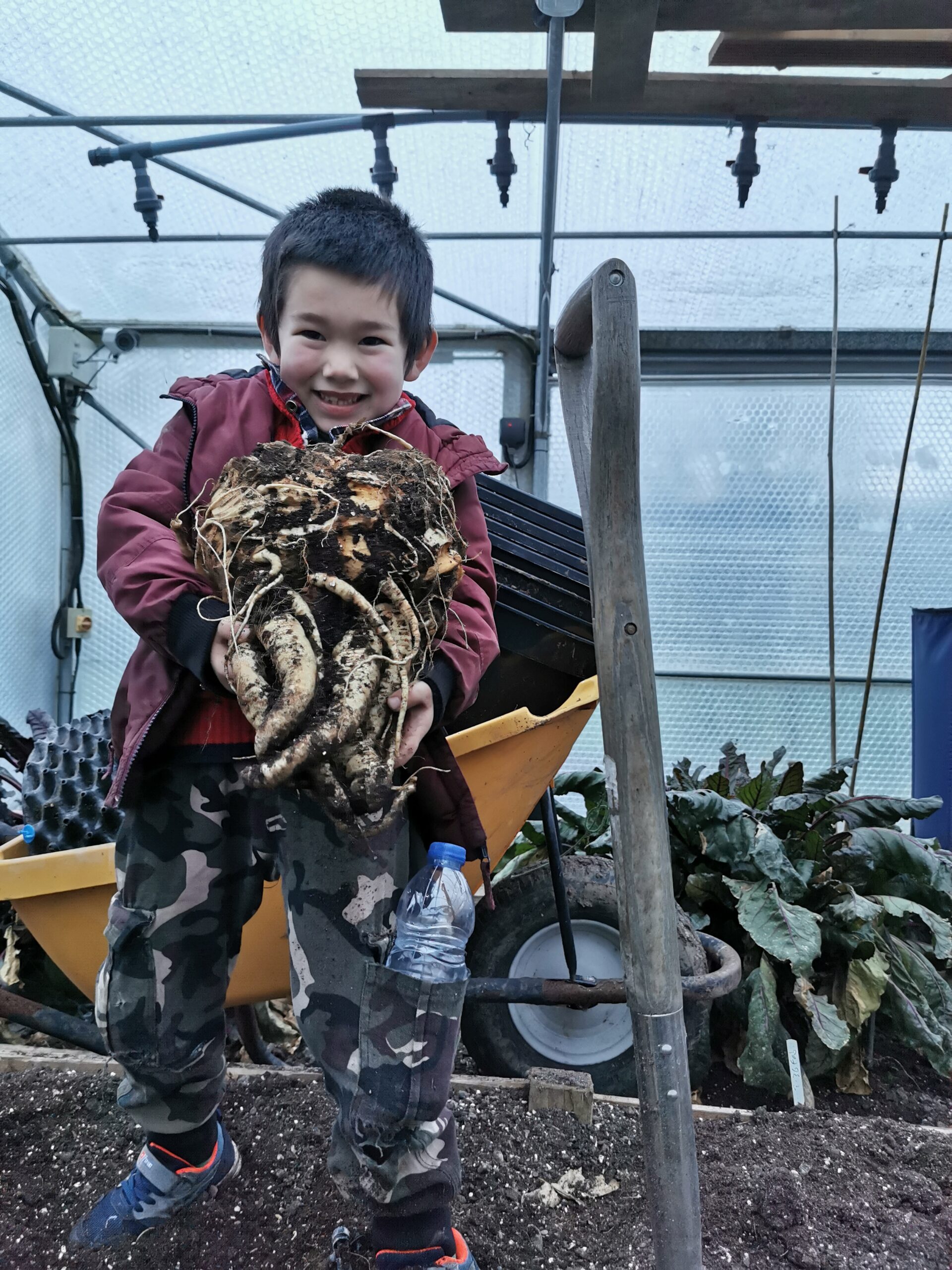
At Harvest time, allow your children to sample what they have grown and create some healthy dishes for them to experience new things.
Collecting seeds
Plants and crops develop flowers from July onwards. A suggestion could be to allow a few to go to seed. Ours Kids have great fun popping open the pods and collecting the seeds for the next growing season. Perhaps you could even teach them how to design seed packets either on a computer or hand drawn ones?
Lastly, have fun along the way. If you make mistakes, learn from them and challenge yourselves in the next food production cycle.